
Pet Nutrition for Every Stage of Life
Understanding What Your Pet Needs
Every pet is different. Nutritional requirements can vary according to species, age, size, breed, activity level, body condition, reproductive status and overall health.
At The Meat Legacy, we believe better feeding starts with understanding what goes into your pet's bowl. This guide provides general information about raw pet food, animal-based proteins, essential nutrients, feeding considerations and the nutritional needs of dogs and cats at different stages of life.
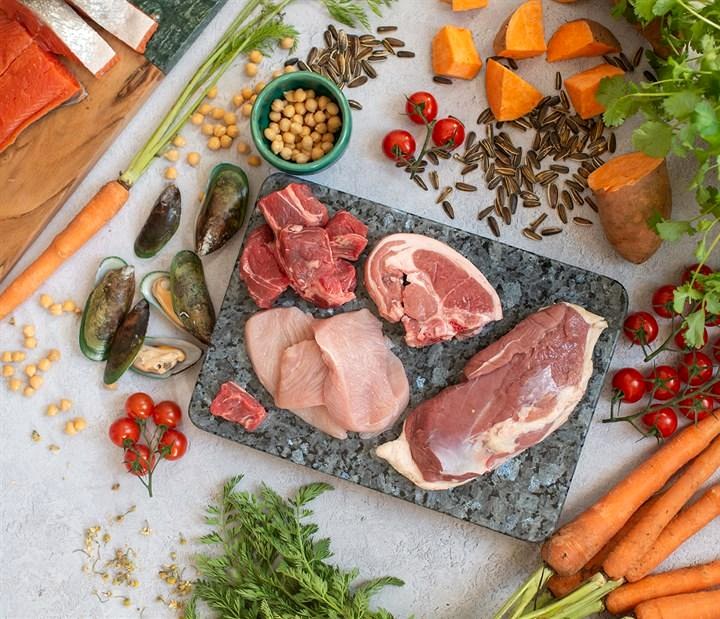
Understanding Pet Nutrition
Dogs and cats require a combination of essential nutrients to maintain normal body functions, growth and overall health.
Protein
Provides essential amino acids that support normal growth, tissue maintenance and muscle development.
Fats
Provide energy and essential fatty acids required for normal physiological functions.
Vitamins
Required in appropriate quantities for normal body processes.
Minerals
Include calcium, phosphorus, iron, zinc, copper and others in appropriate balance.
Water
Essential for normal body function and should generally remain freely available.
Energy
Appropriate energy intake varies according to species, life stage, activity and the individual animal.
A diet made from meat alone should not automatically be considered complete and balanced.
What Do Dogs Need?
Dogs require appropriate amounts of protein, fats, vitamins, minerals, water and energy. Their nutritional needs change throughout their lives.
Animal-based ingredients can provide valuable protein and other nutrients, but the overall diet needs to be appropriately formulated for the dog’s individual requirements.
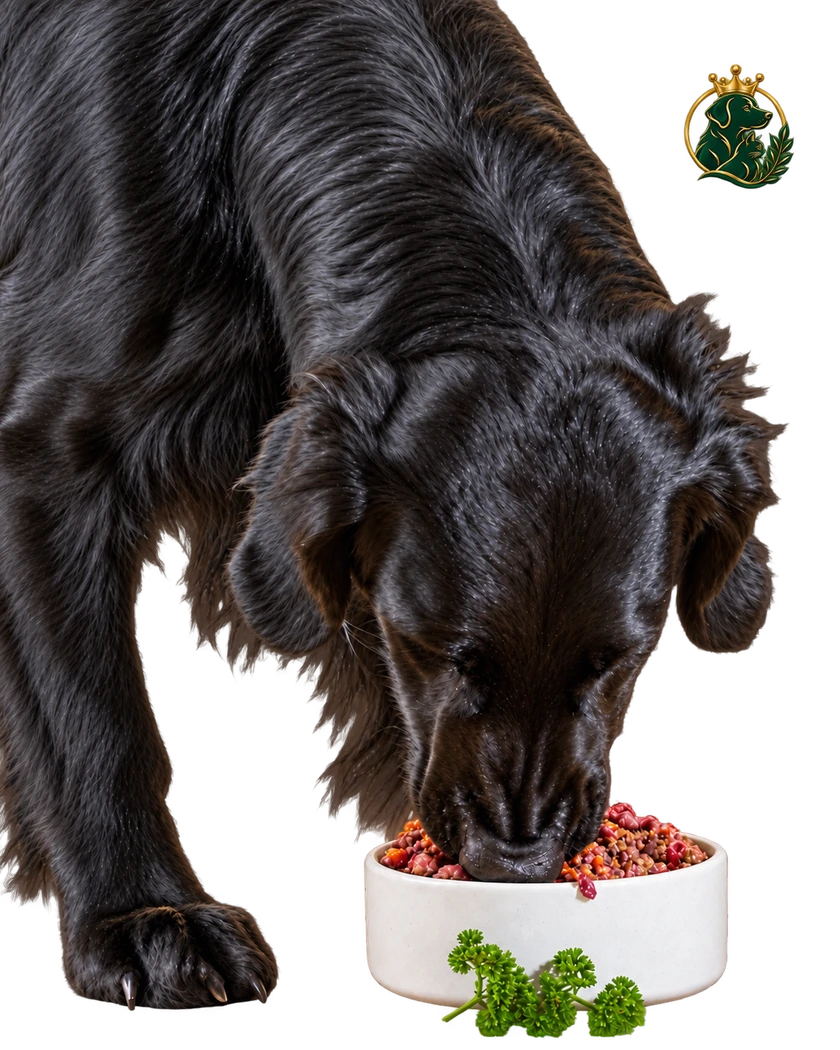
Puppy Nutrition
Puppies are growing rapidly and have different nutritional requirements from adult dogs.
Adult Dog Nutrition
Adult dogs require nutrition that helps maintain healthy body condition, muscle and tissue maintenance, normal energy levels and everyday body functions.
Senior Dog Nutrition
As dogs age, their activity level, metabolism, body condition and health needs can change.
What Do Cats Need?
Cats have nutritional requirements that differ significantly from dogs.
Cats are obligate carnivores and have specific requirements for nutrients obtained from animal-based foods, including essential amino acids and other nutrients. However, feeding plain meat alone does not automatically provide a complete diet for a cat.
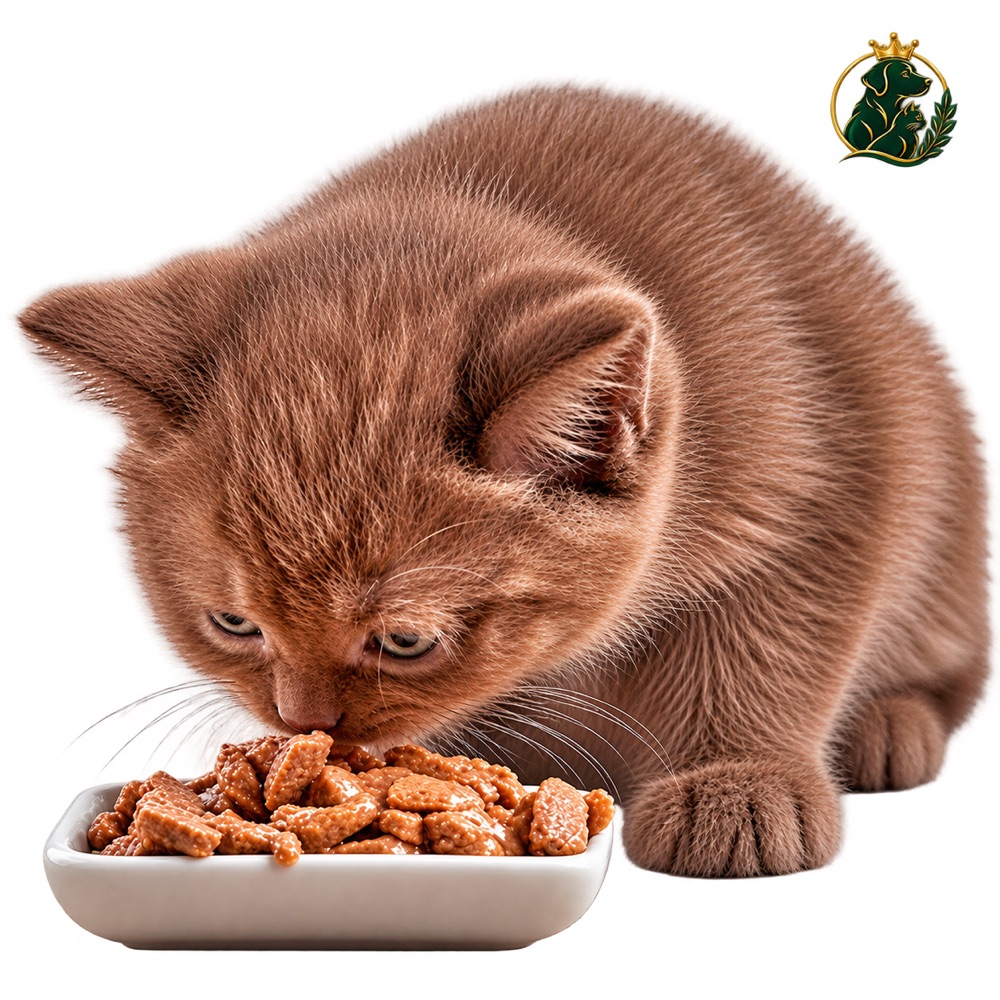
Kitten Nutrition
Kittens have increased nutritional requirements during growth.
Adult Cat Nutrition
Adult cats require an appropriately balanced intake of protein, fats, essential nutrients, vitamins, minerals, water and energy.
Senior Cat Nutrition
Senior cats may experience changes in activity, metabolism, appetite and health as they age.
Essential Nutrients
Protein
Protein provides amino acids that support normal growth, tissue maintenance and muscle development. Meat, poultry and fish can provide valuable animal-based protein.
Fats
Dietary fats are a concentrated source of energy and provide essential fatty acids. The appropriate amount varies between animals and diets.
Essential Fatty Acids
Certain fatty acids are essential because animals cannot produce enough of them on their own.
Skin & coat functionCell functionEnergy metabolismPhysiological processesVitamins & Minerals
Vitamins and minerals are required in appropriate quantities for normal physiological functions.
CalciumPhosphorusIronZincCopperCalcium & Phosphorus
Calcium and phosphorus are important minerals involved in normal bone and teeth development and maintenance, among other physiological functions. Their appropriate balance is particularly important during growth.
Water & Hydration
Water is essential for normal body function. Requirements vary with species, body size, activity, environment, diet and health.
Fresh and wet foods naturally contain water and can contribute to overall water intake. However, they do not eliminate the need for access to fresh drinking water.
Understanding Raw Pet Food
Raw pet food generally refers to food containing uncooked animal ingredients such as meat, organs, bones or fish.
Some products may be designed as complete diets, while others may be intended as complementary or supplemental ingredients.
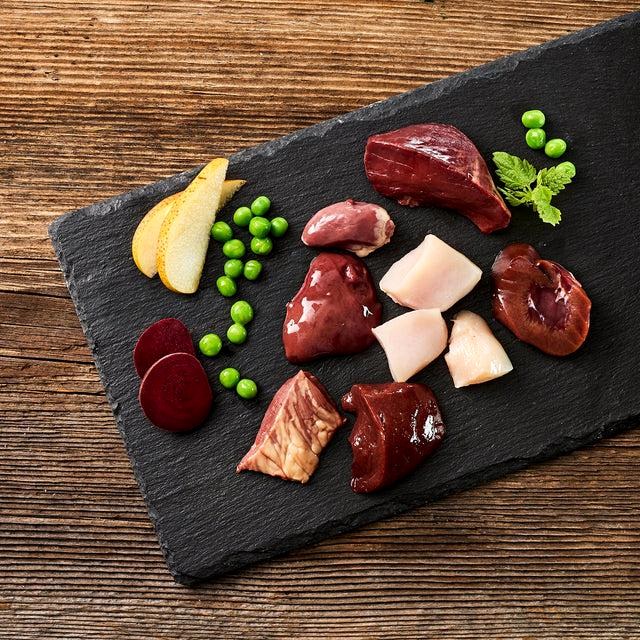
An individual meat cut, organ, bone, fish or specialty cut should not automatically be considered a complete meal.
MEAT CUT
Individual ingredient.
ORGAN
Individual ingredient.
BONE / FISH / SPECIALTY CUT
Individual ingredient.
At The Meat Legacy, product-specific information should clearly indicate the intended use of each product.
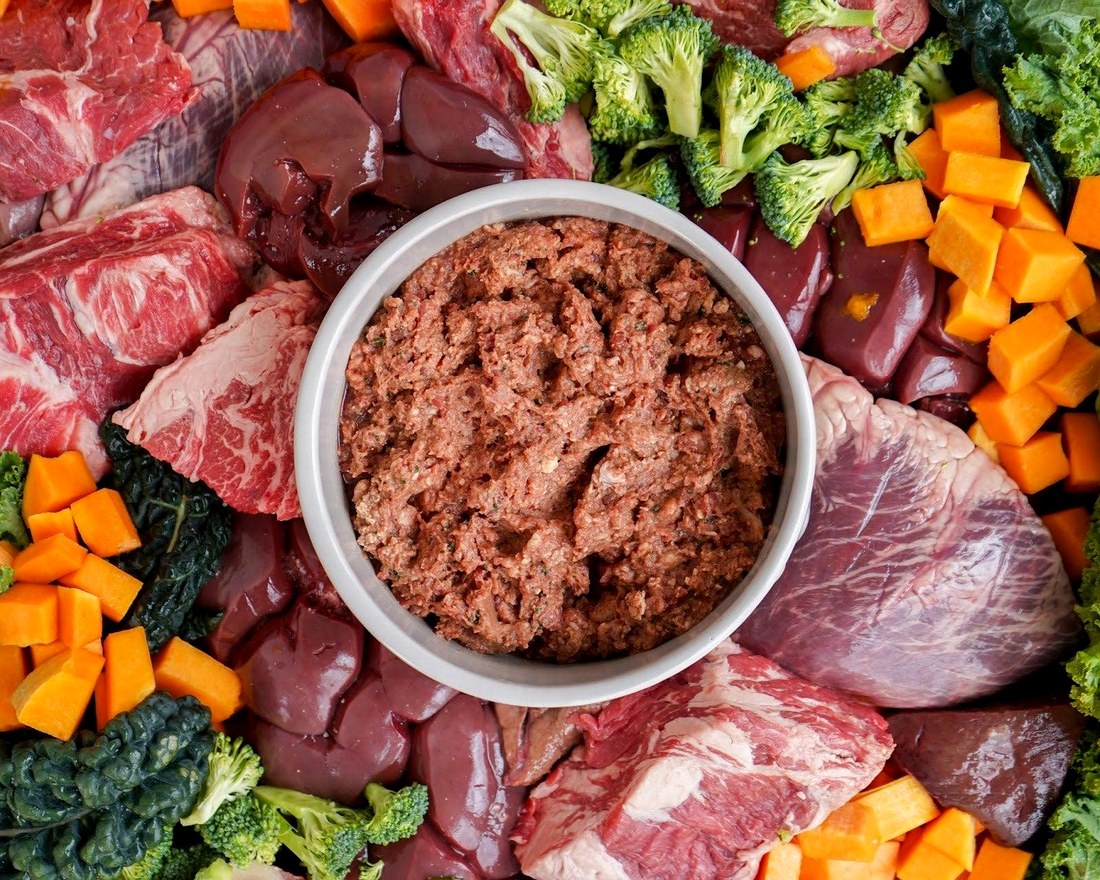
How Should I Handle Raw Pet Food?
Because raw animal products can contain microorganisms that may pose food-safety risks, appropriate handling is important.
Wash Hands
Wash hands after handling raw pet food.
Clean Surfaces
Clean preparation surfaces and utensils.
Separate Food
Keep raw pet food separate from human food.
Follow Storage Instructions
Follow the product's specific storage instructions.
Maintain Temperature
Keep food at the appropriate temperature.
Clean Bowls
Clean feeding bowls regularly and dispose of uneaten food according to product guidance.
Complete Food vs Complementary Ingredients
Is Meat Alone a Complete Diet for Dogs or Cats?
Not necessarily.
A single meat, organ, bone or fish product may provide valuable nutrients but may not provide every nutrient required by a dog or cat in the appropriate amounts and proportions.
A diet intended to be a pet's sole source of nutrition should be appropriately formulated and validated as complete for the relevant species and life stage.
What Does “Complementary” Mean?
A complementary or supplemental ingredient is intended to be fed alongside other foods rather than serving as the sole source of nutrition.
Every Pet Has Different Nutritional Needs
Puppies
Growth and development require appropriately formulated nutrition.
Kittens
Kittens have specific nutritional requirements during rapid growth.
Adult Dogs & Cats
Adult maintenance nutrition should provide appropriate nutrients and energy for the individual animal.
Senior Pets
Older pets may need dietary adjustments based on changing activity, body condition and health.
Pregnant & Nursing Pets
Pregnancy and lactation can substantially increase nutritional and energy requirements and should be managed with appropriate veterinary guidance.
Active & Working Pets
Highly active animals may require more energy than sedentary pets.
Choosing the Right Protein
Variety can be part of a thoughtful feeding plan.
The Meat Legacy offers Buff, Mutton, Pork, Poultry, alternative proteins and seafood. Different proteins can provide different nutritional characteristics and can be useful for introducing variety where appropriate.
Fish as an Animal-Based Protein
Fish can provide protein and naturally occurring fatty acids.
Cod
A mild, lean fish option for pet parents looking to introduce variety through marine-based ingredients.
Sardines
A small oily fish option that can provide animal-based protein and naturally occurring fatty acids.
Indian Anchovies
A small whole-fish option for customers looking to introduce variety through fish-based ingredients.
How Much Should I Feed My Pet?
There is no universal portion size.
The appropriate amount of food depends on species, age, body weight, activity level, body condition, metabolism, reproductive status, health, calorie density of the food and the rest of the pet's diet.
Our Recommendation
For the ideal portion size and feeding schedule for your pet, consult your veterinarian or follow your veterinarian's recommendation.
If a veterinarian has provided a specific feeding plan, The Meat Legacy can work with the pet parent to help select products according to that recommendation.
BUILD MY WEEKLY BOXIntroducing a New Food
When introducing a new food, gradual transition may help some pets adjust more comfortably.
AppetiteStool consistencyDigestionEnergyOverall toleranceNutrition & Your Veterinarian
There is no single diet that is ideal for every dog or cat.
A veterinarian can help evaluate your pet's body condition, nutritional requirements, weight, activity level, life stage, existing health conditions and dietary tolerance.
The Meat Legacy is happy to work with pet parents who have feeding recommendations provided by their veterinarian.
Educational Guidance, Not Veterinary Advice
The information provided on this page is intended for general educational purposes and is not a substitute for professional veterinary advice.
Nutritional requirements vary between individual pets and depend on species, age, breed, body weight, activity level, reproductive status, health condition and overall diet.
Nutrition FAQs
Better Feeding Starts With Understanding the Bowl.
Explore fresh meat, poultry, seafood, organs and specialty proteins from The Meat Legacy and build your product selection around an appropriate feeding plan for your pet.